

Riverside restoration has emerged as a key area of focus as communities recognize the importance of healthy waterways. These efforts are not just about improving the aesthetic appeal of riverbanks; they involve the rehabilitation of ecosystems, boosting of local biodiversity, and the provision of vital habitats for many species. As urbanization and climate change pose growing threats to our rivers, the call for restoration has never been more urgent.
In recent years, various initiatives have been launched across the nation, bringing together local governments, environmental organizations, and community members in a joint effort to rejuvenate these vital natural resources. These projects focus on sustainable practices, aiming to create durable waterways that can withstand the pressures of modern life while serving as a source of recreation and inspiration for upcoming generations. As we look ahead, the future of riverside restoration holds the promise of equilibrium between human needs and the health of our planet.
Issues in Riverbank Renewal
Waterway renewal efforts face many of obstacles that can obstruct advancements and success. One of the most significant challenges is the competition for space usage along riverbanks. Urbanization, agriculture practices, and construction often encroach on wild habitats, making it challenging to secure the land necessary for restoration efforts. This competition not only restricts the areas available for rewilding but can also lead to tensions among stakeholders who have varied perspectives for land use.
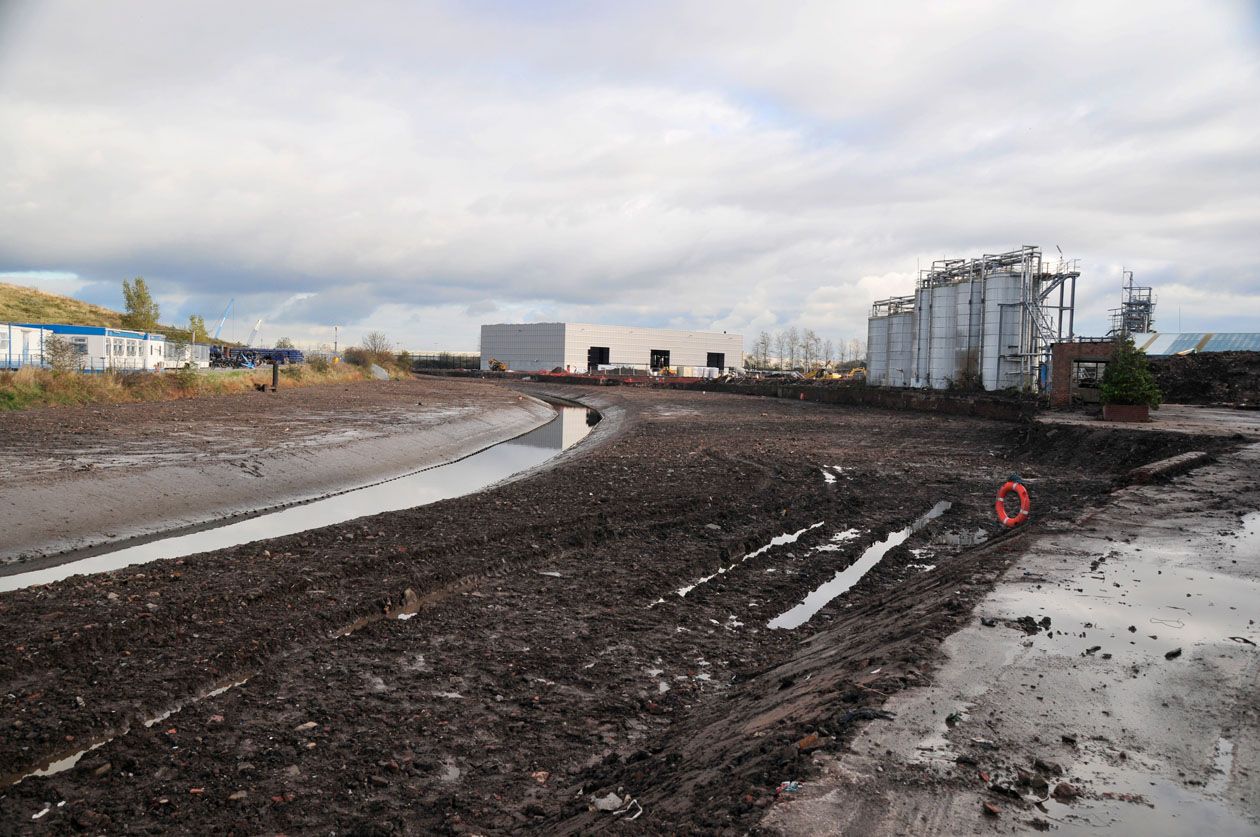
Another challenge is the environmental impact of global warming. Rising heat, altered precipitation patterns, and higher occurrence of extreme weather events can complicate renewal initiatives. These variations may lead to difficulties in anticipating how restored habitats will react and adjust, thus potentially threatening investment in these projects. Additionally, changes in water levels can influence flora and fauna that rely on specific conditions, making it crucial to consider flexible management plans in renewal strategies.
In conclusion, funding and the distribution of resources remain ongoing obstacles in Riverbank restoration. Many initiatives rely on grants and public funding, which can vary based on political and economic climates. This instability can halt sustained revitalization initiatives and restrict the scope of what can realistically be achieved. Moreover, involving local communities and gaining their support is vital for successful revitalization, but deficiencies in education and awareness can hinder cooperation and participation.
Innovative Approaches in River Restoration
The field of riverside restoration is constantly evolving, with new techniques emerging to address the complex challenges posed by habitat loss. One of the most encouraging methods is the use of biotechnical engineering, which fuses biological and engineering principles to restore banks of rivers and improve habitat quality. This approach often involves seeding native vegetation that stabilizes soil, reduces erosion, and increases biodiversity. By integrating natural processes with engineering solutions, bioengineering not only restores ecosystems but also provides sustained sustainability.
Another innovative approach is the use of sediment management practices, which concentrate on managing sediment dynamics to improve river health. Techniques such as sediment routing or controlled sediment placement can help restore original sediment flow, allowing rivers to recover their traditional morphology and function. By diligently monitoring sediment movement, restoration projects can boost aquatic habitats and lessen the impact of excessive nutrient runoff, ultimately leading to healthier waterways.
Lastly, tech advances plays a crucial role in improving riverside restoration efforts. The use of remote sensing and GIS allows for greater mapping and assessment of river conditions. This data-driven approach enables restoration practitioners to locate the most critical areas in need of intervention and to design targeted strategies. With the incorporation of technology, restoration efforts can be more effective, efficient, and responsive to the dynamic environment, paving the way for a healthier river ecosystem.
Neighborhood involvement is crucial for the effectiveness of riverside renewal initiatives. Local citizens often have a deep relationship to their environment and can provide important information into the area's heritage and environmental needs. Involving the community not only cultivates a feeling of responsibility but also boosts participation in restoration activities such as litter removal, introducing native vegetation, and assessing water quality. By including the local residents, restoration initiatives can benefit from local support and enhance learning initiatives about the significance of maintaining healthy river ecosystems.
Raising public awareness about the role of rivers in our societies is crucial for sustainable restoration. Educational programs in educational institutions, training sessions, and community events can emphasize the important role rivers play in ecosystem diversity, leisure activities, and as a provider of potable water. By sharing information on the challenges facing local rivers, such as pollution and habitat destruction, local populations can better understand the urgency of restoration initiatives. This understanding empowers community members to advocate for legislation that preserve water supplies and fosters a culture of environmental stewardship.
Effective riverside restoration ultimately relies on the joint action of community members, environmental organizations, and local governments. Partnership can lead to creative solutions and a stronger commitment to safeguard these natural resources. By creating networks among diverse stakeholders, restoration initiatives can integrate various perspectives and expertise, resulting in more efficient outcomes. When communities come together with a common vision for the future of their rivers, they can build resilient, sustainable ecosystems that serve both humans and nature.
Address: 380 Stone Falls Dr, Ada, MI 49301, United States Phone: +1 616-675-0110 Hours: Open 24 hours