

Water-related damage is a a common and costly challenges faced by property owners and organizations alike. Whether caused by intense rainfall, a plumbing failure, or environmental calamities, the impact can be severe if not addressed promptly and efficiently. This makes reliable water damage control techniques essential for preserving real estate, protecting valuables, and ensuring the security of residents. Knowing how to use these techniques can make all the difference in facing a water-related crisis.
Effective water damage management not only includes quick response actions but also involves proactive measures to minimize future hazards. From implementing advanced technologies to using proven methods in water handling, developing a clear plan can save time, money, and stress. In this guide, we will explore numerous strategies of effective water damage control that can help you combat water damage straight on and safeguard your space against future incidents.
Understanding Water Reduction
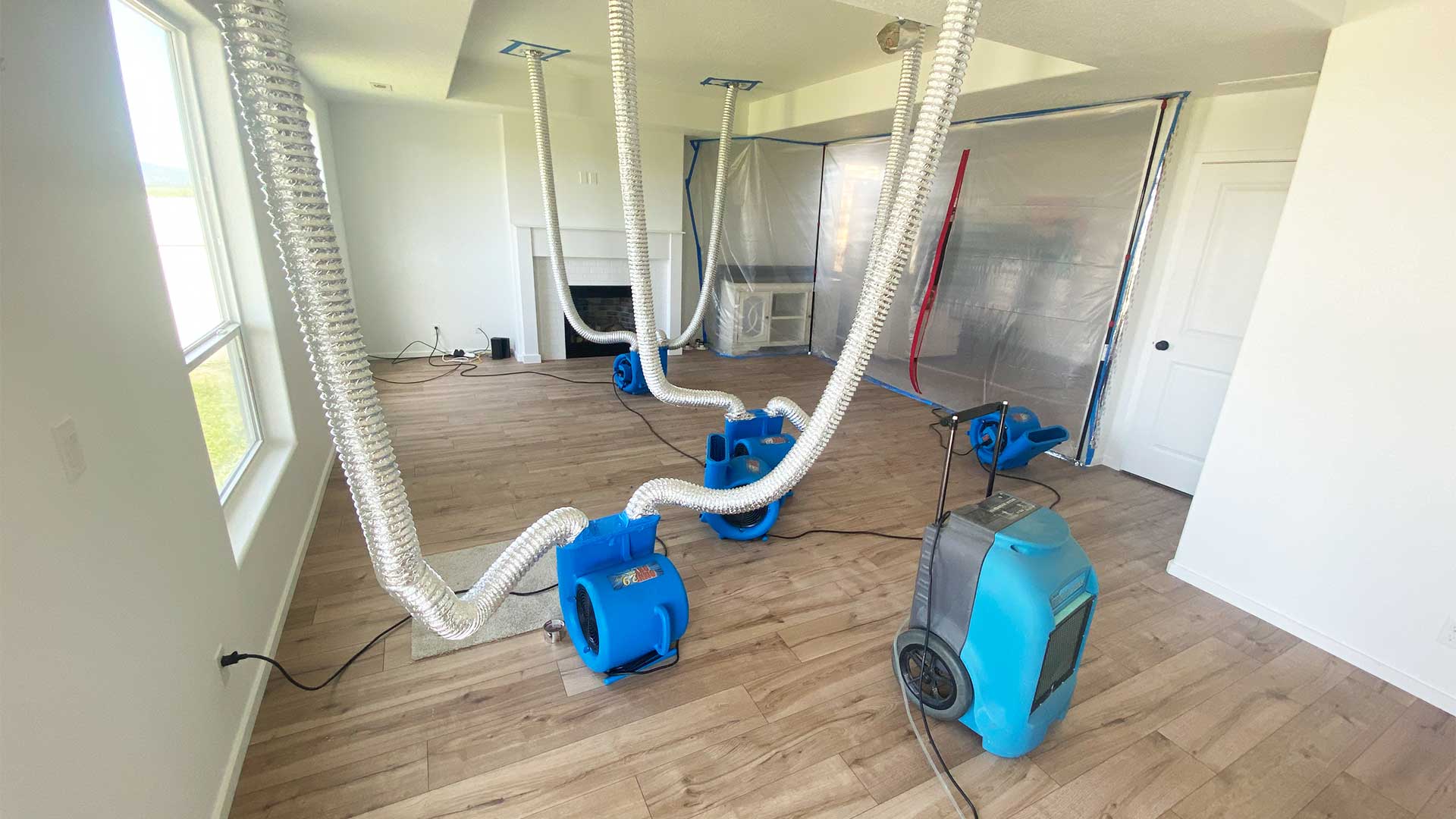
Fluid reduction refers to the procedure of diminishing or avoiding the harm caused by fluid infiltration in facilities. This can take place due to different factors, such as flooding, seepage, or high humidity levels. Efficient water mitigation is vital for safeguarding property and ensuring the well-being of inhabitants. It entails a mix of protection, swift action, and continuous management to manage water-related problems efficiently.
One critical element of water mitigation is the detection of likely causes of water damage. Reliable Water Mitigation entails identifying susceptible areas in facilities, such as lower levels, ceilings, and plumbing systems. Regular care and inspections can help identify these issues before they escalate. Awareness and proactive measures are vital to minimize threats and enhance the strength of buildings against water damage.
In alongside avoidance, a rapid and efficient action to fluid harm is crucial in the reduction procedure. This includes steps such as removing pooling water, dehumidifying impacted zones, and repairing any building harm. Utilizing trustworthy water mitigation strategies not only aids in lessening prompt damage but also plays a significant role in preventing chronic problems like mold growth and physical instability.
Methods for Effective Water Conservation
Effective water management is essential for reducing the harmful consequences of water problems. One method is the implementation of proper drainage systems. These solutions can direct excess rainwater away from flood-prone areas, ensuring that excess water is efficiently redirected into specific locations. This not only avoids water buildup but also defends buildings and infrastructure from possible harm. Frequent maintenance of these drainage systems is essential to keep them functional during severe storms.
An additional key approach is the implementation of permeable landscaping, often called green infrastructure. This strategy involves developing landscapes that can capture and filter rainwater, thus lessening runoff. Incorporating local flora and permeable surfaces allows for organic water capture and filtration, promoting groundwater sustainability while lowering surface water flow. This environmentally friendly practice not only reduces water problems but also enhances the aesthetic appeal and biodiversity of the area.
Finally, community education and outreach play a crucial role in efficient water management. By educating residents about water conservation techniques, proper disposal of hazardous materials, and the importance of proper gutter maintenance, communities can jointly lessen the impact of water issues. Engaging citizens in community water projects fosters a culture of accountability and promotes proactive measures that help overall water sustainability.
Essential Practices for Prevention
Preventing water damage is essential for preserving the structure of any property. One of the best strategies is to carry out regular checks of your property's water and plumbing systems. Look for drips, rust, or other signs of wear that could lead to bigger issues. Being vigilant can enable you handle potential challenges before they become serious, thus saving you time and money in the end.
Good landscaping can also play a significant role in preventing water intrusion. Ensure that the slope of your property directs water away from the home’s foundation. Setting up gutters and downspouts will help channel rainwater from this structure. Use vegetation and shrubs strategically to absorb excess moisture and prevent runoff from gathering near your home.
In conclusion, consider employing water detection systems or sump pumps as an additional layer of protection. These tools can alert you to leaks and excess water in your basement or crawl spaces, allowing for immediate action. By implementing these tips, you can greatly reduce the risk of water damage and ensure a better living environment.